
In today’s digital marketplace, a business’s reputation is often established before a customer visits its website, enters its store, or contacts its sales team. Online reviews have become an important part of how people evaluate products, services, and companies.
Whether someone is choosing a restaurant, hiring a contractor, purchasing software, or booking a professional service, customer feedback can influence their decision.
For businesses, this creates both an opportunity and a challenge. Positive reviews can strengthen credibility, while unanswered complaints and inconsistent customer feedback can damage trust.
This is where technology plays an important role. Modern review management tools help businesses collect authentic feedback, monitor customer experiences, and improve how they communicate with their audience.
- Why Online Reviews Matter More Than Ever
- What Is Review Management Software?
- How Automation Is Changing Customer Review Collection
- The Importance of Trustpilot Reviews for Online Businesses
- How Review Management Improves Business Operations
- Choosing the Right Review Management Technology
- Common Mistakes Businesses Should Avoid
- The Future of Online Reputation Management
- Final Thoughts
Why Online Reviews Matter More Than Ever
Consumers increasingly rely on digital information when evaluating businesses. Customer reviews provide insights that traditional advertising cannot always communicate.
A detailed review may describe product quality, delivery speed, customer support, or the overall buying experience. This information helps potential customers understand what they can realistically expect.
Online reviews also create several advantages for businesses.
- Stronger credibility: Authentic feedback demonstrates that real customers have interacted with a business.
- Improved purchasing confidence: Reviews can reduce uncertainty for first-time buyers.
- Customer insights: Feedback reveals recurring strengths and operational problems.
- Better engagement: Responding to reviews shows that businesses value customer opinions.
- Greater online visibility: Relevant reviews can support local search presence and help customers discover businesses.
However, simply having a review profile is not enough. Businesses need a consistent approach to collecting, monitoring, and responding to feedback.
What Is Review Management Software?
Review management software is a digital solution that helps organizations manage customer feedback across online review platforms.
Instead of manually checking multiple websites, businesses can use dedicated tools to simplify review requests, organize feedback, and monitor aspects of their online reputation.
Some solutions also provide automation, reporting dashboards, QR-based review requests, and integrations with customer communication channels.
For example, a business using Review Management Software can streamline review invitations through channels such as email, SMS, or WhatsApp, making it easier to request genuine feedback after a customer interaction.
These systems are particularly useful for businesses that handle numerous customer interactions every day.
The objective is not to manipulate customer opinions. It is to make the feedback process more accessible, consistent, and transparent.
How Automation Is Changing Customer Review Collection
Traditionally, many businesses relied on employees to ask satisfied customers for reviews.
Although personal requests can be effective, manual collection often produces inconsistent results. Employees may forget to ask, and customers may not know where to leave feedback.
Automation helps address these challenges.
1. Automated Review Invitations
Businesses can configure review requests to be sent following appropriate customer interactions, such as completed appointments, delivered orders, or finished services.
A timely invitation makes it easier for customers to share feedback while their experience is still fresh.
2. Multiple Communication Channels
Different customers prefer different methods of communication.
Some respond more readily to email, while others prefer SMS or messaging applications.
Providing several communication options can improve accessibility and convenience.
3. QR Code-Based Feedback
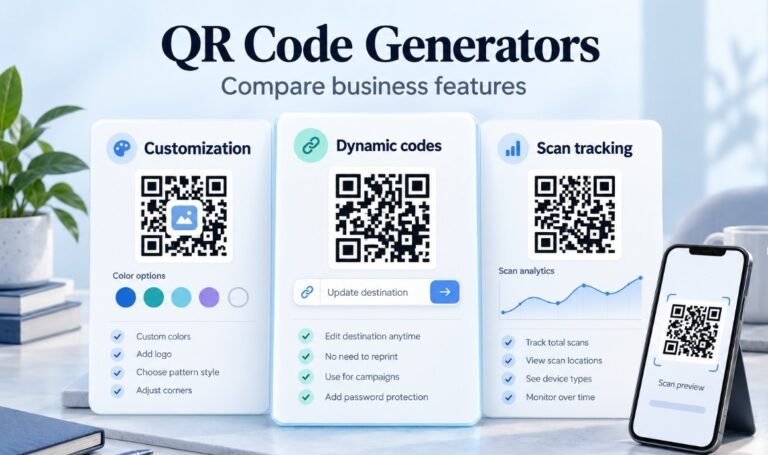
QR codes provide another straightforward way to collect feedback.
Restaurants can place them on receipts, hotels can include them on checkout materials, and service providers can display them at reception desks.
Customers scan the code and access the relevant review page without manually searching for the business.
4. Consistent Follow-Ups
A well-designed automated process can send an appropriate reminder when a customer has not responded.
However, businesses should avoid excessive messaging and respect customer preferences and applicable privacy requirements.
The Importance of Trustpilot Reviews for Online Businesses
Businesses operating in competitive digital markets need credible ways to demonstrate customer satisfaction.
Trustpilot is one platform that consumers may consult when researching online retailers, software providers, professional services, and other businesses.
Unlike testimonials displayed exclusively on a company’s own website, public review platforms allow consumers to explore experiences shared by customers.
This additional perspective can help reduce uncertainty during the purchasing process.
Businesses looking to Get More Trustpilot Reviews should focus on requesting honest feedback from genuine customers rather than attempting to influence the ratings they receive.
An effective approach includes inviting customers after real transactions, making the review process simple, and responding constructively to both positive and negative feedback.
Businesses should also follow Trustpilot’s review invitation policies and avoid incentives or selective requests that could undermine the integrity of customer feedback.
How Review Management Improves Business Operations
Online reviews are not only marketing assets. They also provide valuable operational information.
When businesses organize and analyze customer feedback, they can identify patterns that might otherwise remain unnoticed.
Identifying Recurring Problems
Imagine a restaurant receiving several reviews mentioning slow service during weekend evenings.
Rather than treating each comment as an isolated complaint, management can investigate staffing levels, order preparation times, and scheduling procedures.
This allows customer feedback to contribute directly to operational improvements.
Improving Customer Support
Reviews can reveal whether customers are satisfied with communication, response times, and problem resolution.
Organizations can use these insights to refine support processes and provide additional employee training.
Understanding Customer Expectations
Customer feedback often highlights the features, services, or experiences people value most.
Software providers may learn which features users find confusing, while service businesses may discover opportunities to improve appointment scheduling or post-purchase support.
Supporting Better Decisions
Review trends can complement other business data.
By examining customer feedback alongside sales, support tickets, and customer retention information, managers can develop a more complete understanding of business performance.
Choosing the Right Review Management Technology
Not every review management platform provides the same capabilities.
Before adopting a solution, businesses should evaluate their requirements rather than choosing software solely on the number of advertised features.
Important considerations include:
Ease of use: The platform should be accessible to employees without extensive technical training.
Automation capabilities: Review invitations and reminders should fit existing customer workflows.
Communication options: Support for relevant channels can make feedback requests easier to manage.
Platform compatibility: Businesses should determine which review websites and customer touchpoints are supported.
Reporting and analytics: Clear dashboards can help identify changes in review volume, ratings, and customer sentiment.
Scalability: Organizations with multiple locations may require centralized administration and location-specific reporting.
Privacy and security: The software should provide appropriate controls for customer information and comply with applicable data protection obligations.
It is also important to understand the platform’s pricing structure, message allowances, and integration requirements.
The best solution is one that supports the organization’s actual workflow without adding unnecessary complexity.
Common Mistakes Businesses Should Avoid
Even with modern technology, businesses can damage their reputation by using poor review management practices.
One common mistake is focusing exclusively on obtaining five-star ratings.
Genuine customer feedback includes different experiences and opinions. Attempting to suppress criticism or influence ratings can undermine credibility and may violate review platform policies.
Another mistake is ignoring negative reviews.
A professional response that acknowledges a concern and explains how the company intends to address it can demonstrate accountability.
Businesses should also avoid sending excessive review requests. Too many reminders may frustrate customers and reduce their willingness to engage.
Finally, review collection should not replace actual service improvements.
Technology can help organizations understand customer experiences, but lasting reputation growth depends on delivering reliable products and services.
The Future of Online Reputation Management
Artificial intelligence and automation are increasingly influencing customer experience software.
AI-assisted tools can help categorize feedback, identify recurring topics, summarize large volumes of reviews, and suggest potential responses.
For businesses receiving hundreds of customer comments, these capabilities can reduce manual analysis and help teams identify important trends.
However, human oversight remains essential.
Automated responses should be reviewed when dealing with sensitive complaints, refunds, service failures, or situations requiring empathy and judgment.
As customer expectations evolve, businesses that combine efficient technology with genuine communication will be better positioned to build long-term relationships.
Final Thoughts
Customer trust is one of the most valuable assets a business can develop.
Online reviews provide potential customers with useful information while giving companies direct insights into their products, services, and customer experiences.
Review management technology simplifies the process by making feedback collection more consistent, improving visibility into customer opinions, and helping businesses respond more effectively.
For small businesses, growing startups, and established organizations alike, a structured review strategy can support stronger customer relationships and more informed business decisions.
Ultimately, successful reputation management is not about collecting perfect ratings. It is about listening to customers, responding responsibly, and using their feedback to create better experiences.