

Maintaining optimal environmental conditions in laboratories is essential for delivering reliable results and protecting valuable instruments. Unchecked moisture not only compromises experimental accuracy but can also threaten the operational safety of the facility. Many labs employ environmental management tools, such as a humidity chamber, to ensure consistent results and avoid potentially costly disruptions.
Effective moisture control strategies begin with a thorough understanding of how humidity infiltrates lab environments and the risks it presents. Proactive detection and management minimize hazards, safeguard research outcomes, and extend the useful life of sensitive laboratory equipment. Failure to take these steps can lead to material losses, health consequences, and significant compliance risks.
From monitoring and maintenance to leveraging innovative technologies, laboratory managers can make informed decisions to mitigate excess moisture. With the added complexity of different lab setups and varying regional climates, a tailored approach to moisture mitigation is crucial for every lab space.
Lab personnel, environmental safety managers, and facility engineers benefit from the latest research and expert recommendations for combating moisture-related problems. Laboratories that address moisture at every level, from infrastructure to daily operations, set the standard for scientific integrity and occupational health. If your facility is in a region vulnerable to moisture issues, you may also find guidance from the Centers for Disease Control and Prevention’s laboratory safety resources helpful for developing your own protocols.
Introduction
Laboratories rely on tightly controlled environments to ensure precision and safety. Uncontrolled humidity can distort scientific results, damage sensitive equipment, and foster conditions for mold and mildew, thus presenting both operational and health challenges. For laboratory managers, developing a comprehensive understanding of the threats posed by moisture sets the groundwork for effective risk management and compliance with industry standards.
Sources of Moisture in Laboratories
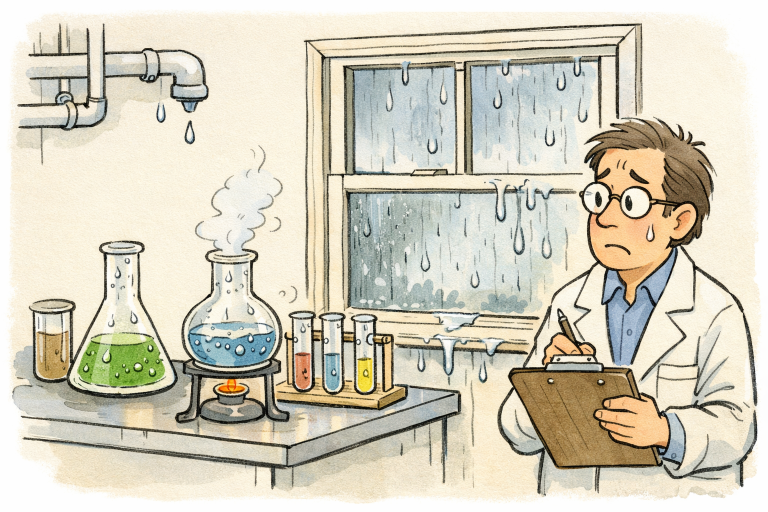
Moisture infiltration in laboratories can occur through several pathways. HVAC systems, especially if aging or infrequently serviced, are common culprits, sometimes leading to condensation or unintended humidity spikes. Beyond equipment, physical weaknesses in the lab’s architecture, such as leaking roofs, pipework problems, or poorly sealed windows, create vulnerabilities. Even routine human activity, like the use of water baths, autoclaves, and open water sources, steadily increases humidity indoors. Identifying these pathways is a foundational step in long-term moisture control.
- HVAC Systems: Can accumulate moisture and distribute it unevenly throughout the facility.
- Structural Leaks: Faulty seals and aging infrastructure allow moisture seepage, particularly during storms or plumbing malfunctions.
- Human Activity: Frequent use of water-based equipment and supplies also gradually elevates ambient humidity.
Impacts of Excessive Moisture
Unchecked humidity carries a range of operational and health risks for laboratories. Equipment susceptible to corrosion or electrical failure may malfunction or generate unreliable readings when exposed to moisture. Biological samples and chemical reagents are similarly at risk; high humidity encourages microbial contamination that can undermine entire research projects. Mold spores and mildew are common by-products of moist laboratory climates, resulting in respiratory irritation or worse for staff, and requiring expensive remediation if allowed to proliferate unchecked.
- Equipment Malfunction: Sensitive electronic devices can suffer drift, short-circuiting, or irreversible corrosion in high-humidity settings.
- Sample Contamination: Microbial organisms thrive in wet conditions, making humidity a significant vector for sample compromise.
- Health Risks: Persistent moisture supports the growth of mold, leading to respiratory problems and regulatory violations if not promptly addressed. For more on best practices related to lab safety, consult resources from OSHA’s Guide to Laboratory Safety.
Best Practices for Moisture Control
- Regular Maintenance: Establish a maintenance schedule for all HVAC and moisture-sensitive infrastructure components. Proactive inspections catch potential leaks and condensation issues before they spiral into broader problems.
- Environmental Monitoring: Continuous temperature and humidity monitoring puts actionable data in the hands of laboratory management, allowing swift corrective measures. This can be achieved using automated sensors and digital monitoring platforms.
- Proper Sealing: Physical integrity is essential. Double-check seals on doors, windows, and access panels to limit outside moisture entry.
- Controlled Ventilation: Modern ventilation systems (when designed with humidity management in mind) circulate air efficiently while extracting excess moisture, enhancing overall laboratory comfort and equipment longevity.
Advanced Technologies in Moisture Management
- Industrial Humidifiers: Advanced humidification systems enable precise humidity control, improving conditions, especially for labs requiring strict environmental parameters. Learn more about how state-of-the-art humidifiers benefit laboratory settings via recent research and product comparisons published in industry publications.
- Microwave Radar Systems: Emerging moisture detection technologies, such as microwave radar, offer non-destructive ways to locate hidden leaks in wall cavities. These systems empower maintenance teams to intervene early, reducing the risk of long-term moisture-related damage. For more information, refer to the Oak Ridge National Laboratory’s research on microwave radar moisture detection.
Case Studies
- University Laboratory: A large academic research lab experienced recurring instrument failures and lost months of research after rising humidity levels went undetected. After investing in environmental monitoring and a remediation protocol, equipment downtime dropped, and sample turnaround times improved dramatically.
- Pharmaceutical Facility: During a facility upgrade, hidden construction-related leaks led to extensive mold growth, pausing operations. The incident prompted the implementation of comprehensive moisture management, including frequent structural inspections and advanced leak-detection tools. This shift helped prevent similar incidents in new lab builds.
Conclusion
Sustained, effective moisture management is central to the success and safety of laboratory operations. By recognizing the variety of moisture sources, taking stock of the ensuing risks, and consistently applying best practices alongside emerging technologies, laboratory leaders ensure both quality control and a healthy work environment. Rigorous protocols now will pay dividends in maintaining compliance, protecting investments in costly equipment, and safeguarding scientific outcomes.