- The Importance of Reliable EV Charging Infrastructure
- Enhancing Customer Satisfaction and Loyalty
- Attracting a Broader Customer Base
- Increasing Revenue Through Charging Services
- Improving Brand Reputation
- Overcoming Challenges in Charging Reliability
- Case Studies: Success Stories in Reliable Charging
- Future Outlook: The Role of AI and Smart Technologies
- Conclusion
The Importance of Reliable EV Charging Infrastructure
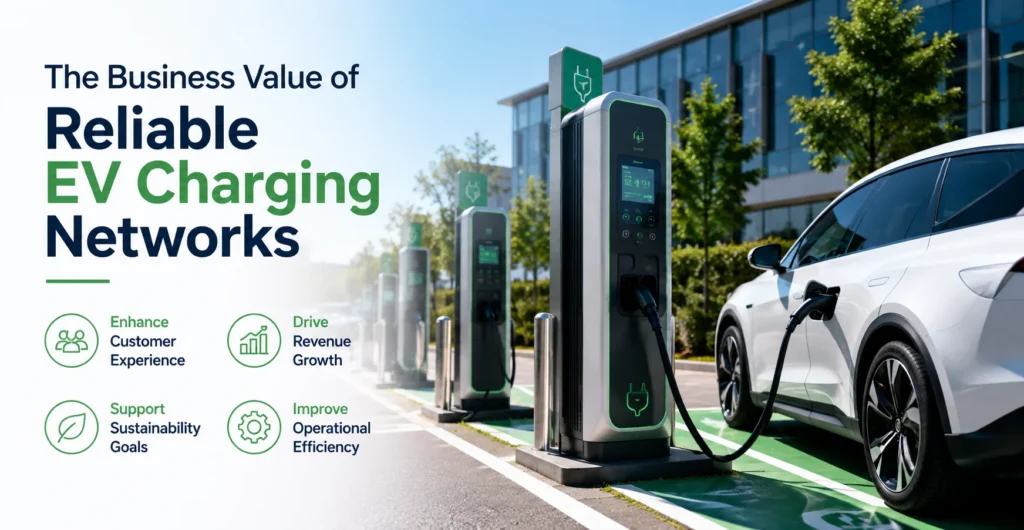
Electric vehicles (EVs) are rapidly transforming the way people travel and the expectations they have of the places they visit. As adoption grows, the need for dependable, easily accessible charging networks has become a top priority for both EV drivers and businesses. Reliable charging networks are not just a technical necessity; they represent a vital customer service touchpoint. Proactively providing robust EV charging solutions for businesses to meet customers’ evolving needs while embracing sustainability and innovation.
Recent studies have highlighted both progress and continued gaps in the EV charging ecosystem. According to J.D. Power, 14 percent of EV owners recently experienced issues with public charging stations, an improvement from previous years, but still a concern. Businesses that prioritize reliable charging infrastructure position themselves to meet rising expectations and capitalize on the growing EV market.
For many drivers, reliable charging is essential when planning trips. The convenience and dependability of charging stations can be the decisive factor in choosing a grocery store, hotel, or retail location. Providing consistently functional, fast-charging options strengthens a business’s relationship with its tech-savvy, environmentally conscious clientele.
As more companies recognize the value of providing high-quality charging services, their strategies are evolving beyond simply hosting a charger. Forward-thinking businesses view charging networks as comprehensive services that can shape consumer behavior and build community loyalty.
Enhancing Customer Satisfaction and Loyalty
Ensuring that EV charging stations are operational, easy to use, and conveniently located transforms customer experiences. When EV drivers know they can depend on a location for efficient charging, it fosters trust that translates to repeat visits and long-term loyalty. Clean, well-maintained charging facilities also demonstrate a commitment to customer care and future-focused values, thereby enhancing satisfaction and boosting a business’s overall reputation.
Beyond reliability, integrating user-focused design elements, such as easy-to-navigate interfaces, clear signage, adaptable payment options, and well-lit charging locations, can make a significant difference in customer experience. By considering EV drivers’ daily needs and preferences, businesses can create a seamless, hassle-free environment that encourages engagement and satisfaction at every touchpoint. This level of attention to detail is essential for converting first-time users into repeat customers and brand advocates.
Attracting a Broader Customer Base
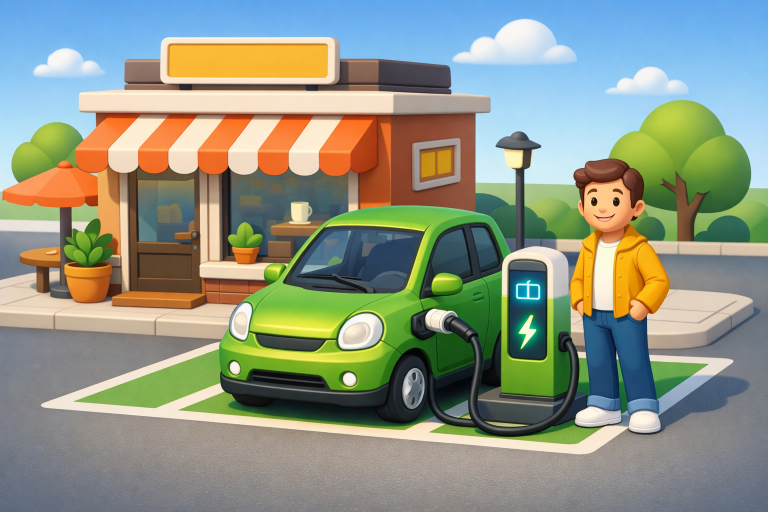
The presence of reliable charging options can draw a broader array of customers to a business. EV owners often plan their trips based on where they can conveniently recharge. As a result, companies that invest in superior charging facilities quickly become preferred destinations, thereby increasing foot traffic and capturing market share in a competitive landscape.
For retail locations and hospitality businesses, dependable charging is more than a “nice-to-have” feature; it is a way to expand the audience and serve growing demographics of eco-conscious consumers.
In addition, providing EV charging can help businesses stand out among competitors and enhance visibility on mapping apps or EV charging networks. These platforms often highlight locations with reliable charging services, increasing online visibility and driving additional traffic to brick-and-mortar sites. As EV adoption accelerates, prioritizing inclusive amenities can attract new segments of loyal customers who prefer businesses aligned with their values and practical needs.
Increasing Revenue Through Charging Services
Adding reliable charging infrastructure creates opportunities for increased profits. Charging fees is a direct revenue source, but businesses also benefit from the extended time customers spend on site while charging. Data consistently show that EV drivers tend to shop, dine, or relax while their vehicles recharge, resulting in higher in-store sales and greater customer engagement. Partnerships with charging network providers can also yield financial incentives and strengthen brand positioning within the EV space.
Improving Brand Reputation
Brands that offer consistently reliable EV charging enhance their value in the eyes of customers and the public. Many consumers weigh sustainability initiatives and corporate responsibility when deciding where to spend their money. Companies positioning themselves as leaders in the EV mobility ecosystem can attract positive attention not only from EV drivers but also from communities seeking to reduce their environmental impact. This forward-thinking approach builds trust and credibility that lasts well beyond a single transaction.
Overcoming Challenges in Charging Reliability
Although the industry is making strides, challenges remain. Equipment malfunctions, software errors, and network connectivity issues are common pain points that can frustrate customers. To address these obstacles, companies should implement preventive maintenance routines and invest in advanced monitoring solutions that detect issues before they degrade the driver experience. Proactive customer support and transparent communications about outages or upgrades are also essential to maintaining customer trust and satisfaction.
Case Studies: Success Stories in Reliable Charging
Businesses across sectors have achieved measurable success by prioritizing EV charging reliability. For instance, national retailers who have rolled out fast-charging stations through strategic partnerships with major charging networks have reported not only longer customer dwell times but also increased impulse shopping and brand affinity. These case studies demonstrate that a focus on reliability benefits both customers and the bottom line.
Additional industries, such as healthcare facilities and multi-unit housing, have also leveraged reliable EV charging to boost property value and enhance tenant or patient satisfaction. By creating accessible and trusted charging environments, these organizations help normalize EV use and demonstrate forward-thinking, consumer-focused values.
Future Outlook: The Role of AI and Smart Technologies
As technology evolves, artificial intelligence and smart systems are poised to redefine charging reliability and efficiency. AI-powered platforms can predict maintenance needs, monitor station health in real-time, and automatically dispatch repairs. Smart charging not only optimizes energy use and reduces downtime but also allows for personalized customer experiences through apps and network integration. Businesses that embrace these advances can further distinguish themselves as leaders in customer-centric, future-ready services.
Looking ahead, integrating renewable energy sources, such as solar or wind, into EV charging infrastructure could further enhance sustainability and cost savings. Smart energy management systems will likely become more mainstream, helping businesses balance demand, reduce grid stress, and provide reliable charging even during peak times or power interruptions. These innovations position businesses at the forefront of both green leadership and advanced customer service.
Conclusion
Reliable EV charging networks are more than a convenience; they offer significant business value by enhancing customer satisfaction, expanding market reach, increasing revenue, and transforming brand reputation. As electric vehicles continue to gain traction, investing in dependable charging infrastructure will be essential for businesses aiming to thrive in the new era of mobility.