
Key Takeaways:
- Digital platforms are transforming freight dispatch management by enhancing efficiency, safety, and compliance.
- Technologies like AI, IoT, and cloud computing are central to this evolution.
- Adoption of these platforms leads to cost savings, improved driver safety, and streamlined operations.
Logistics is in the midst of a rapid technological evolution. Managing freight dispatch efficiently is critical for companies to stay ahead in an increasingly competitive industry landscape. Traditional paper-based processes are now considered outdated due to their inherent inefficiencies, delays, and heightened risks of error or safety incidents. In response, innovative trucking dispatch solutions are stepping in to revolutionize how freight is managed, offering streamlined, automated processes that reshape the standard operations of the transportation sector.
These digital advancements allow logistics businesses to adapt quickly to market demands, improve resource allocation, and ensure timely deliveries. As consumer expectations and supply chain complexities rise, companies are finding that digital platforms provide the flexibility and visibility needed to meet modern demands without compromising on cost or compliance.
The growing pressure to deliver goods faster and more reliably makes digital transition not just an option, but a necessity. With an ecosystem of real-time analytics and continuous communication, these solutions empower both dispatchers and drivers. Industry leaders now understand that their competitive advantage hinges on integrating digital freight dispatch platforms into their daily operations.
By replacing manual systems with smart, connected platforms, organizations benefit from enhanced transparency, data-driven decision-making, and the ability to quickly adapt to any disruptions that may arise, whether it is weather, regulatory updates, or unforeseen delays. The logistics industry stands at the forefront of transformation with digitalization as its driving force.
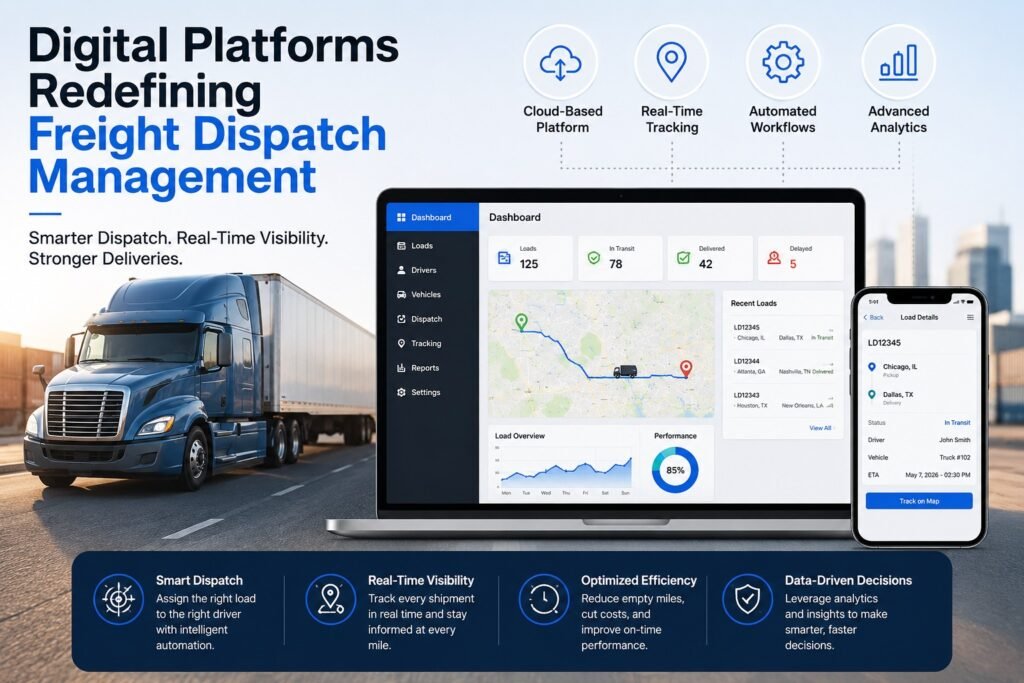
The logistics industry has experienced a significant shift with the emergence of digital dispatch platforms. Such platforms act as central hubs, connecting shippers, carriers, and drivers through automated scheduling tools, real-time GPS tracking, and centralized communication channels. These capabilities allow for a level of operational coordination that was previously unattainable.
Digital dispatch platforms enhance route planning, automate load matching, and reduce manual errors by incorporating data from every stage of the supply chain. As the expectations of global commerce rise, so does the pressure for accuracy and efficiency in transportation management. Dispatchers benefit from constantly updated information to make proactive adjustments, while drivers gain access to detailed instructions and real-time support, making their jobs safer and more manageable.
Key Technologies Driving the Transformation
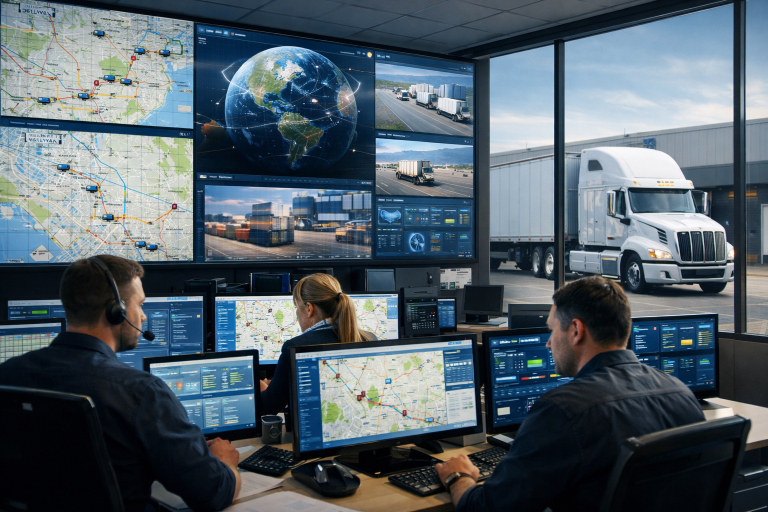
Several groundbreaking technologies are accelerating the evolution of freight dispatch management:
- Artificial Intelligence (AI): AI processes vast amounts of data to identify patterns, predict maintenance needs, and optimize delivery routes. With its advanced algorithms, dispatchers can minimize delays and fuel use while improving decision-making throughout the process.
- Internet of Things (IoT): IoT-enabled devices gather data on vehicle health, cargo status, and even local weather conditions, informing both long-term planning and real-time interventions to reduce delays and accidents.
- Cloud Computing: By leveraging cloud infrastructure, companies store, access, and process dispatch data from anywhere. This ensures seamless communication and integration with other back-office systems while keeping information secure and up-to-date.
As reported by Columbia Business School, these technologies continue to gain traction due to their ability to boost efficiency, reduce bottlenecks, and cater to the ever-growing transportation sector.
Benefits of Adopting Digital Dispatch Platforms
The switch to digital dispatch brings a host of tangible advantages for logistics companies of all sizes:
- Enhanced Efficiency: By automating scheduling, record-keeping, and data analysis, companies decrease administrative overhead and accelerate turnaround times.
- Improved Safety: Real-time monitoring tools identify hazardous driving behaviors and send instant alerts, allowing for rapid intervention and ongoing driver education.
- Cost Savings: Optimizing routes and maintenance routines results in less fuel consumption, fewer breakdowns, and lower repair expenses. Automation also reduces costly manual data entry errors.
- Regulatory Compliance: Digitally managed records make it easy to comply with regulations and audits, giving peace of mind to both business owners and regulators.
Using digital solutions helps organizations consistently deliver on time, maximize equipment life, and support driver retention through safer working environments.
According to Forbes, the adoption of digital platforms is leading to significant leaps in logistics efficiency and accuracy around the world.
Challenges in Implementation
While digital adoption offers clear benefits, there are notable obstacles to implementation that must be carefully managed:
- Initial Investment: Purchasing and integrating new platforms and hardware can require high upfront costs, which may be daunting for small or mid-sized fleets.
- Training Needs: Employees need comprehensive training on new platforms. An investment in onboarding pays off through increased adoption and reduced resistance.
- Data Security: Increased connectivity means more vulnerability to cyber threats. Ensuring robust cybersecurity protocols is essential to protect company-sensitive data and meet regulatory demands.
Despite these hurdles, an incremental approach and strong change management strategies can help companies reap the full rewards of digital freight dispatch.
Real-World Examples of Digital Dispatch Success
Numerous industry case studies show the measurable value of going digital. For example, recent research found that 52% of fleet operators improved driver safety using digital platforms, 34% made significant strides in simplifying and streamlining their data management, 26% increased sustainability, and 21% ensured stronger regulatory compliance.
These figures illustrate how the digital shift is not just theoretical. It is delivering results that can be measured in both operational and financial performance. When dispatchers and drivers work in sync, powered by integrated platforms, companies also build better reputations with shippers and partners, further driving growth and profitability.
Future Trends in Freight Dispatch Management
The road ahead promises even greater innovation within the freight dispatch space. Self-driving trucks and autonomous delivery vehicles are quickly moving from test cases to real-world pilots. Widespread adoption of blockchain technology could bring unprecedented transparency and security to global supply chains, making verifiable tracking and audit trails standard practice in logistics.
In addition, advanced analytics powered by big data enable logistics professionals to plan proactively, predict disruptions, and continuously optimize their operations. The integration of these advanced technologies will ensure continual improvement for freight dispatch, setting new benchmarks for the industry.
Conclusion
Digital platforms are redefining the landscape of freight dispatch management. Organizations that embrace these technologies enjoy improved efficiency, heightened driver safety, streamlined regulatory compliance, and substantial cost savings. As logistics becomes more complex, the adoption of digital solutions is essential for any company seeking to thrive in tomorrow’s competitive environment.