
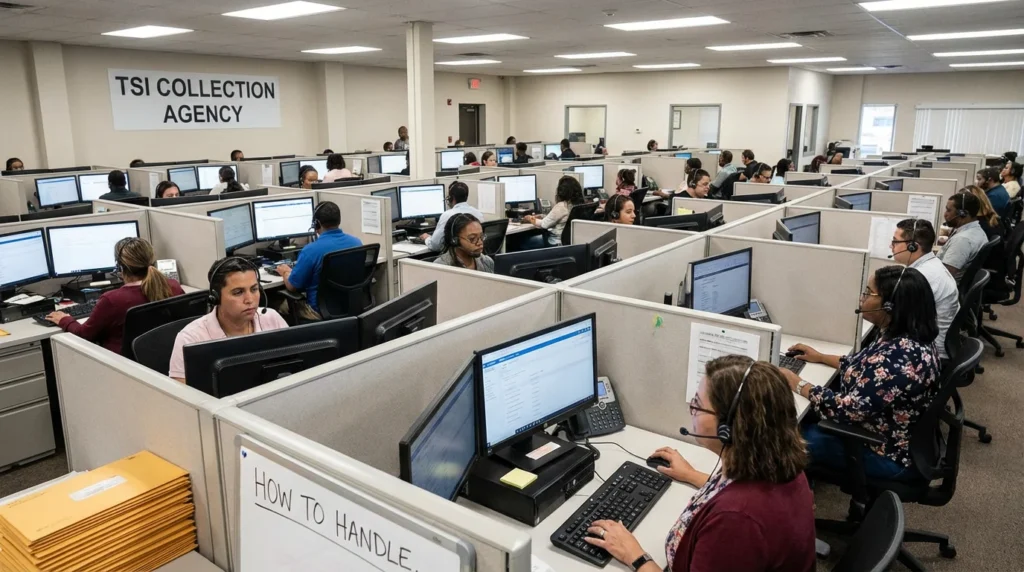
If you are getting TSI Collection Agency calls and letters, it can feel confusing or even stressful. Many people are unsure who TSI is, why they are being contacted, or whether the debt is real. Some messages may come by phone, mail, or even text, making it harder to know how to respond.
This article explains what TSI Collection Agency calls and letters really mean, how Transworld Systems Inc works, and what steps you should take before making any payment. You will also learn about your rights under U.S. debt collection laws, how to verify a debt, and how to respond the right way without hurting your credit or falling for scams.
By the end, you will know exactly how to handle TSI contact calmly, legally, and with confidence.
Who Is TSI Collection Agency
What Is Transworld Systems Inc. (TSI)?
TSI, or Transworld Systems Inc., is a legitimate debt collection company in the United States. They work on behalf of creditors to recover unpaid debts. TSI contacts debtors through phone calls, letters, emails, and sometimes text messages. They follow legal rules under the Fair Debt Collection Practices Act (FDCPA) to protect consumers from harassment.
What Services Does TSI Offer?
TSI helps businesses recover unpaid invoices and debts from consumers. They provide services like negotiation and settlement options, legal collection services, and structured payment arrangements. TSI also works with companies in healthcare, financial services, utilities, education, and small business sectors.
Is TSI a Legitimate Collection Agency?
Yes, TSI is a registered company that follows federal debt collection laws. You should still verify that any calls or letters you receive are genuinely from TSI. Scammers sometimes impersonate collection agencies, so always check official communication channels and request written debt validation.
Why Are You Receiving TSI Collection Agency Calls or Letters
Your Account Was Assigned or Sold to TSI
Your debt might have been assigned or sold to TSI by a creditor. This means TSI now has the right to contact you to recover the balance.
TSI Is Contacting You on Behalf of a Creditor
Sometimes TSI acts as an agent for another company. They may contact you to collect on behalf of a bank, healthcare provider, or utility company.
Outstanding or Past-Due Debt
You may be contacted if you have unpaid bills or past-due balances. The letters or calls usually provide details about the debt amount and the original creditor.
What a Legitimate TSI Call, Letter, or Text Looks Like
Legitimate TSI communications will include:
- Your name and account number
- The amount owed
- The original creditor
- Instructions to verify the debt
If any information seems incorrect, do not ignore it. Instead, request verification.
How TSI’s Debt Recovery Process Works
Account Intake and Data Transfer
TSI receives your account information from the creditor, including details about the debt and contact information.
Initial Outreach Through Calls, Letters, and Texts
TSI will attempt to contact you by phone, email, mail, or text. They are required to provide accurate information and follow federal laws for communication.
Negotiation and Payment Options
TSI may offer payment arrangements, debt settlement options, or pay-for-delete arrangements. These options are designed to help you pay off your debt while protecting your credit report status.
Legal Escalation and When It Happens
If you ignore repeated communications, TSI may escalate the matter to legal collection services. This could include small claims court or other actions to recover unpaid balances.
Industries TSI Serves
Healthcare
TSI helps healthcare providers recover unpaid medical bills while maintaining HIPAA compliance.
Financial Services
Banks and financial institutions use TSI for recovering credit card or loan payments.
Utilities and Telecom
Utility and telecom companies rely on TSI to manage past-due accounts.
Education
Educational institutions may use TSI to recover student debts.
Small Businesses and B2B Services
Small businesses benefit from TSI’s services for unpaid invoices and B2B collections.
Businesses — Why Companies Choose TSI
National Reach With Local Compliance
TSI operates across the U.S. and ensures local regulations are followed in each state.
Technology-Driven Collection Systems
Their systems track debts, payment options, and communication methods for efficient recovery.
Flexible and Contingency-Based Pricing
TSI offers payment plans and flexible pricing depending on the account status.
Scalable Outreach and Automation
Automation helps TSI manage large volumes of accounts while keeping compliance.
Legal Collection Capabilities
TSI can escalate unpaid accounts to legal collection services when necessary.
Consumers — What to Do If TSI Contacts You
Should You Answer TSI Collection Calls?
Answering is optional, but staying informed is important. If you choose to answer, do not share personal information until you verify the debt.
Confirm the Debt First
Always confirm that the debt belongs to you. Check the account number, balance, and creditor details.
Request Written Debt Validation
Ask TSI to send a written debt validation notice. This provides proof that the debt is real and accurate.
Dispute Inaccuracies Promptly
If there are errors, send a debt dispute letter to correct the information.
Negotiate If Necessary
If the debt is valid, you can negotiate payment arrangements, settlements, or partial payments.
Protect Your Credit Score
Paying on time or arranging settlements helps protect your credit report status.
How to Verify TSI Calls, Letters, or Text Messages
Do Not Respond Immediately
Take a moment to review the information and ensure it is legitimate.
Contact TSI Using Official Channels
Use phone numbers, emails, or websites listed on official TSI documentation.
Cross-Check Your Records
Compare your personal records, statements, or bills with the debt information provided.
Spotting Scams vs Legitimate Collectors
Scammers may ask for unusual payments or threaten without evidence. Legitimate TSI communications will follow FDCPA rules.
Writing a Debt Validation Letter to TSI
What to Include in a Debt Validation Letter
Your letter should include your full name, address, account number, and a request for written verification of the debt. Send it via certified mail for proof.
Sample Debt Validation Letter Template
“Dear TSI, please provide written verification of the debt referenced above, including the original creditor and balance owed.”
Understanding Your Rights Under the FDCPA
Right to Receive Written Validation
You can request that TSI provide written proof of the debt.
Right to Dispute the Debt
If the debt is incorrect, you can dispute it in writing.
Right to Be Free From Harassment
TSI must follow contact limits and avoid threatening language.
Right to Stop Collection Calls and Letters
You can send a cease communication request to legally limit contact.
Special Protections for Older Adults
Additional rules protect seniors from aggressive debt collection tactics.
How to Respond to TSI Based on Your Situation
If the Debt Is Valid and You Can Pay
Negotiate a payment plan or pay in full to resolve the account.
If You Cannot Afford to Pay
Ask for a modified payment plan or temporary hardship arrangement.
If You Believe the Debt Is Incorrect
Send a written dispute or debt validation request.
If You Believe the Contact Is a Scam
Do not respond, verify contact information, and report suspicious communications.
What Happens If You Ignore TSI Collection Agency Calls and Letters
Credit Report Impact
Unpaid debts may be reported to credit bureaus, lowering your credit score.
Increased Collection Activity
TSI may continue calls, letters, or escalate to legal action.
Risk of Legal Action
Ignoring debts can lead to lawsuits or wage garnishment depending on the debt type.
Case Study Insights — How People and Businesses Handle TSI
A Dental Clinic Reclaims Lost Revenue
A dental office recovered unpaid patient invoices by working with TSI and negotiating payment options.
A Freelancer Avoids a Credit Pitfall
A freelance consultant verified a debt and settled it, protecting their credit score.
A B2B SaaS Company Improves Recovery Rates
A software company recovered old unpaid invoices by using TSI’s automated collection system.
When to Seek Professional Help
Credit Counseling and Debt Management Plans
Nonprofit credit counselors can help you plan payments and avoid legal problems.
Legal Help and Consumer Protection Resources
Lawyers or consumer protection agencies, like the Consumer Financial Protection Bureau, can provide guidance on FDCPA rights and disputes.
Final Thoughts on Handling TSI Collection Agency Calls and Letters
Handling TSI collection agency calls and letters doesn’t have to be stressful. By confirming debts, understanding your rights, and responding appropriately, you can protect your credit and resolve debts safely. Always keep records, verify communications, and seek professional help when necessary.
FAQ: TSI Collection Agency Calls and Letters
Q1: How should I deal with TSI debt collector calls?
Stay calm and do not give personal information right away. Confirm the debt first and ask for written validation. Keep notes of calls including dates and the representative’s name.
Q2: How do I respond to a collection agency letter from TSI?
Read the letter carefully. If correct, pay or negotiate. If incorrect, send a debt validation letter asking TSI to verify the amount. Always respond in writing.
Q3: How can I stop TSI collection calls?
Send a written “cease communication” request. After receiving it, TSI can only contact you to confirm your request or notify about legal action.
Q4: What is the best way to handle TSI collection agency calls and letters?
Verify the debt, know your FDCPA rights, communicate in writing, and negotiate if needed. Keep all documents and notes for your records.
Q5: What are the 11 words to stop a debt collector from contacting me?
Write: “Please stop contacting me about this debt.” This legally limits calls, except for official notices or legal action.
Q6: Can I ignore TSI collection agency calls and letters?
Ignoring them can hurt your credit, increase collection attempts, or lead to legal action. It’s better to respond and take action to protect yourself.


