
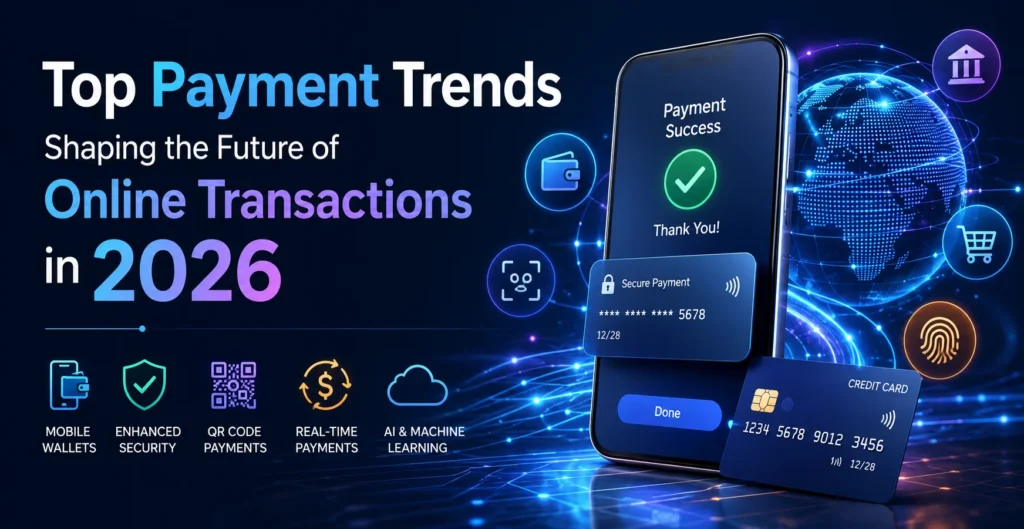
Advancements in technology and evolving consumer habits are rapidly transforming the way people pay for goods and services. The growth of digital payment options is particularly noticeable in industries like hospitality, where implementing a restaurant digital tipping solution streamlines operations and enhances the customer experience. In 2026, the outlook for online payments is more dynamic than ever, as consumers and businesses seek faster, more secure, and more versatile transaction methods.
Understanding new payment trends is essential for staying ahead in an increasingly digital economy. Businesses and consumers alike are embracing payment solutions that blend convenience with high security standards. As emerging technologies become mainstream, the shift in payment preferences is setting new expectations for transaction speed and accessibility.
As we examine the core trends influencing the digital payments landscape this year, it’s clear that each advancement is designed to meet the demands of an always-connected world. With seamless user experiences and improved fraud prevention at the forefront, companies and customers are both reaping the benefits of a rapidly evolving marketplace.
The impact of these trends is visible not only in consumer preferences but also in the infrastructure being developed by retailers, software providers, and financial services. A recent TechRepublic report highlights just how quickly contactless solutions are moving from novelty to necessity for modern businesses seeking to keep up with customer expectations.
Rise of Digital Wallets and Contactless Payments
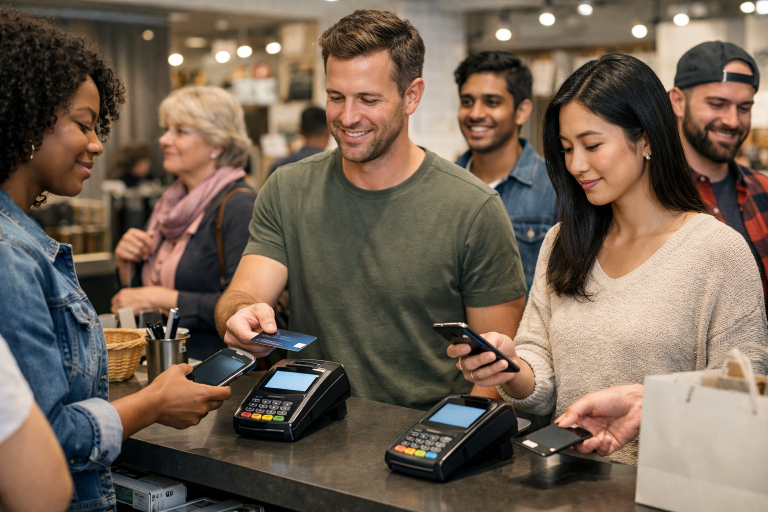
Digital wallets, like Apple Pay, Google Pay, and PayPal, are experiencing rapid adoption due to their convenience, security, and efficiency. These tools have made it easier than ever for consumers to make purchases, both in store and online, without needing to physically handle cash or credit cards. Contactless payments have surged in popularity in recent years because they provide fast checkouts and minimize the physical exchange of items, which became especially relevant during the pandemic.
This rise in contactless payment solutions aligns with the increasing desire for seamless and frictionless retail experiences. More merchants are upgrading their systems to support these new payment methods, leading to a greater overall acceptance and reinforcing consumer trust. According to a survey conducted by McKinsey & Company, the use of digital wallets is projected to overtake cash and even traditional card payments in many regions by the end of 2026.
Expansion of Buy Now, Pay Later (BNPL) Services
Buy Now, Pay Later (BNPL) services allow consumers to split their purchases into manageable installments, often with little to no interest. This payment model has grown substantially among younger generations, who prioritize flexibility and are wary of high-interest debt. Providers such as Klarna, Afterpay, and Affirm are leading the way, with features that let shoppers spread out payments over time while enjoying immediate product access.
BNPL’s popularity is not just confined to e-commerce giants but has expanded into everyday retail shops, travel bookings, and even healthcare payments. Its continued momentum is due to transparent and easy-to-understand terms, as well as smooth digital integration. According to The Payments Association, BNPL adoption has particularly flourished in Europe and North America, signaling a global appetite for alternative credit solutions.
Integration of Cryptocurrencies in Payment Systems
Cryptocurrencies, such as Bitcoin and Ethereum, have started to transition from speculative assets to viable payment alternatives. By providing decentralized, borderless transactions, cryptocurrencies are especially appealing for international purchases and for those who value privacy or lack access to traditional banking systems. Major companies, including some large online retailers and travel agencies, are now experimenting with or fully accepting cryptocurrency payments.
Growth in adoption is evident in regions that experience currency instability or high cross-border payment fees. The Payments Association highlights that Argentina and India are leading examples where cryptocurrencies offer practical benefits, such as avoiding inflation or enabling fast global payments. As regulatory clarity improves and user experiences simplify, the integration of crypto as a payment method is expected to gain further traction.
Advancements in Real-Time Payment Systems
Real-time payment (RTP) systems allow for instant funds transfers, enabling individuals and businesses to move money 24/7, rather than waiting for traditional banking hours. The rise in RTP adoption reflects a global shift towards immediate settlement of financial transactions. In the United States, the RTP network processed $246 billion worth of transactions in 2026, nearly doubling its previous total and underscoring increasing user demand for speedy, reliable payment options.
These systems are not only advantageous for consumers but are also proving essential for businesses that require cash flow flexibility. Industries such as gig work, insurance, and utilities benefit from the ability to make and receive payments without delay, facilitating smoother operations and better financial planning. Innovations in payments infrastructure, backed by both private companies and regulatory support, are propelling the expansion of RTP capabilities worldwide.
Enhanced Security Through AI and Biometrics
Security has become a non-negotiable aspect of digital payments, driving widespread adoption of artificial intelligence and biometric authentication tools. AI-powered solutions can analyze vast numbers of transactions to identify and stop fraudulent activity as it happens, greatly reducing the risk of financial crime. Biometric technologies, such as facial recognition, fingerprint scanning, and voice identification, provide additional layers of protection by verifying users’ identities in a manner that is both fast and difficult to replicate.
According to TechRepublic, the use of AI and biometric technologies is not limited to fraud detection but also extends to risk assessment and compliance monitoring, strengthening the entire payment ecosystem. These tools are vital as digital payment volumes grow, ensuring that convenience does not come at the cost of security. The evolution of payment security is likely to accelerate further as cyber threats become more sophisticated and regulations demand stronger protections.
Conclusion
The future of online payments is being shaped by a combination of innovative technologies and changing consumer expectations. Trends like the widespread adoption of digital wallets and contactless payment methods, the rise of BNPL services, the integration of cryptocurrencies, the deployment of real-time payment systems, and the implementation of advanced security features are fundamentally reshaping financial transactions. Both businesses and consumers must keep pace with these changes to take advantage of new opportunities and to safeguard against evolving risks. As the payments landscape continues to transform, staying informed will be key to leveraging its full potential.
Post HTML