Key Takeaways
- Modern payroll solutions connect smoothly with banking and accounting systems, reducing the need for manual work.
- Automated systems help small businesses comply with tax regulations, which reduces errors and potential penalties.
- Cloud-based payroll solutions adapt as companies grow, offering flexibility and convenience to meet evolving business needs.
Managing payroll is often a significant challenge for small business owners. The process requires attention to detail and a strong understanding of compliance and financial accuracy. However, new advancements make handling payroll much easier. Thanks to providers such as ADP payroll solutions for businesses, companies now have access to robust tools that streamline the payroll process, allowing teams to redirect resources toward business growth and strategic planning.
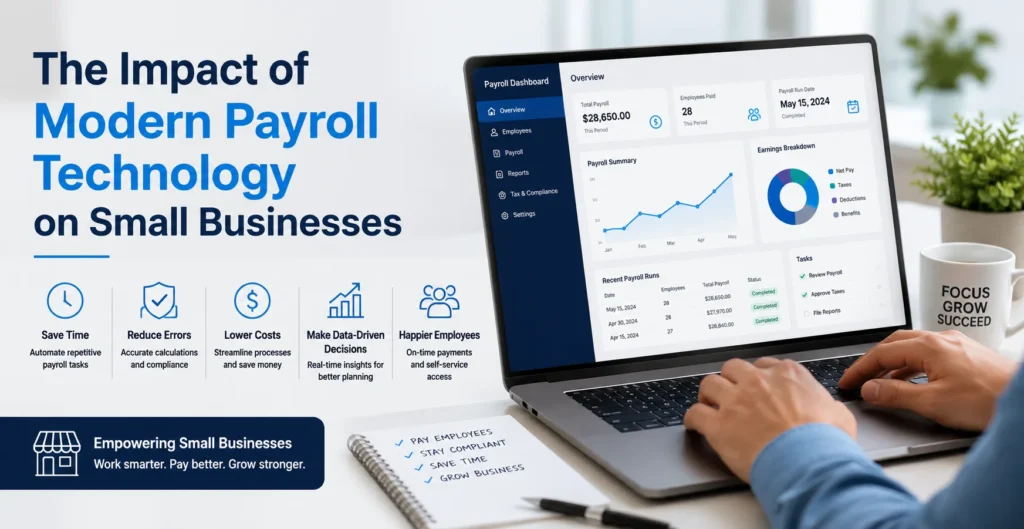
These modern payroll platforms go beyond simply calculating paychecks. They enable automated tax calculations, integration with other essential software, and direct deposit payments, which were much less accessible in the past. By embracing these technologies, businesses experience not only faster but also more accurate payroll processing.
One standout benefit is seamless integration. Payroll solutions that integrate with accounting software and banking services eliminate the need for manual data entry and reduce the risk of costly mistakes. Small business owners can now monitor cash flow, ensure compliance, and make informed decisions with everything they need in one dashboard.
Automation is a key trend reshaping payroll management as well. Automated payroll systems reduce the workload on small accounting teams and ensure that all workers are paid on time. This efficiency allows companies to avoid delays, penalties, and compliance issues that can otherwise sideline business operations.
The Shift to Integrated Payroll Solutions
Previously, payroll tasks were often managed apart from banking and other accounting functions. This separation created silos, slowing the process and making it error-prone. Modern payroll services now offer fully integrated platforms, allowing owners to handle all payroll, payment, and banking tasks in a single place.
For instance, U.S. Bank recently launched an embedded payroll solution within its online banking platform. This enables business owners to manage payroll and financial transactions holistically and in real time. The result is increased visibility into finances, real-time management capabilities, and easier access to historical data for audits and compliance. Well-known providers in this space continue to innovate to help businesses reduce friction and improve accuracy.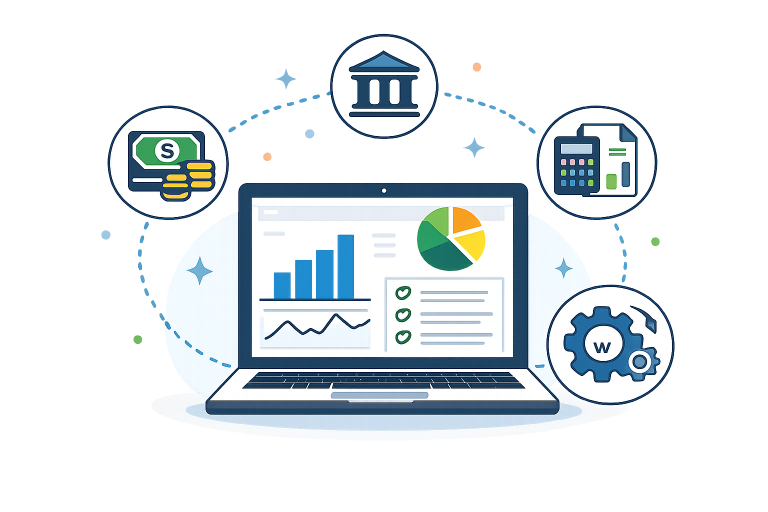
Automation Enhances Compliance and Reduces Errors
Small businesses must comply with complex state and federal tax regulations, which can be challenging for owners without an accounting background. Automated payroll solutions simplify this task by automatically calculating deductions, withholding the right amount of tax, and generating reports needed for government filings. This reduces the risk of audits and penalties due to human error and increases financial transparency within the business.
According to a recent survey, about 40 percent of small businesses plan to deploy automation in finance operations to increase efficiency and reduce costs. These systems also provide up-to-date tax tables and forms, so business owners never have to second-guess their compliance status.
Cloud-Based Platforms Offer Scalability
As remote work and decentralized teams become more common, cloud-based payroll systems offer considerable advantages. Employees and administrators can access payroll information anywhere, making it easier for companies with multiple locations or flexible schedules to coordinate pay cycles.
Businesses can start with a basic payroll setup and expand as their needs evolve, adding features such as HR management or advanced analytics. This adaptability ensures that payroll solutions grow with the company, unlike traditional systems, which can be costly and hard to upgrade.
Cost Savings Through Efficient Payroll Management
Streamlined payroll means fewer errors, less red tape, and lower administrative overhead. Small companies can devote time and resources traditionally spent on payroll to other areas of the business. Automated reminders, scheduled reports, and minimized manual entry also help reduce labor costs. By avoiding penalties from payroll mistakes and tax misfilings, companies protect their bottom line and improve long-term financial health.
Improved Employee Satisfaction
Accurate and timely payroll is essential for employee trust and satisfaction. Many new systems allow staff members to log in to self-service portals to view pay stubs, access tax information, and update personal details without contacting HR. This empowerment increases transparency and gives employees confidence in their employer’s payroll process.
Additionally, when employees have access to accurate, detailed information about their compensation and deductions, they are more likely to feel secure and respected in the workplace. The ease with which workers can independently access crucial pay records and tax documentation reduces inquiries for HR departments and improves overall communication. For employers, this greater level of transparency can also foster a culture of trust, reduce turnover, and enhance overall job satisfaction among teams. By utilizing modern, employee-friendly payroll solutions, companies attract talent seeking workplaces that are invested in best practices and worker welfare, thereby improving both retention rates and their reputation as responsible employers.
Data Security and Compliance
Payroll solutions manage sensitive employee information, including Social Security numbers and bank details. New technologies prioritize security with encryption, two-factor authentication, and other robust cyber protections. Secure payroll platforms also help companies comply with privacy laws such as GDPR and HIPAA, ensuring that both employer and employee data are protected from breaches.
As cyber threats continually evolve, companies must regularly evaluate their payroll provider’s security protocols. Modern software vendors typically conduct frequent audits and updates to protect sensitive data. Educating staff about safe data practices further minimizes risk, providing a comprehensive approach to information security and regulatory compliance in a rapidly changing technology landscape.
Choosing the Right Payroll Solution
When selecting payroll software, companies should consider factors such as ease of integration with existing platforms, security features, scalability, compliance tools, and overall cost. Opting for systems that align with the company’s size and projected growth helps ensure a good investment. Many platforms offer demos or trials, making it easier to compare options before committing.
Modern payroll technology transforms what was once a stressful and complex task into an efficient, secure process. Business owners who adopt integrated, automated, and cloud-enabled payroll solutions not only reduce their administrative burden but also create a foundation for sustainable, long-term growth.